
The Ultimate Guide to Pet Grooming: Tips for a Healthy Coat and Skin
Importance of Regular Grooming for Pets
Having a pet is a wonderful experience that brings joy and companionship into our lives. Whether you have a dog, cat, or any other furry friend, it’s important to take care of their grooming needs to ensure they stay healthy and happy. Regular grooming is essential for maintaining a pet’s coat and skin, as well as preventing any potential health issues. In this article, we’ll discuss the importance of regular grooming for pets and provide some tips for keeping your furry friend looking and feeling their best.
One of the main reasons why regular grooming is important for pets is to maintain a healthy coat and skin. Just like humans, pets can develop skin conditions, allergies, and other issues that can be exacerbated by poor grooming habits. Regular brushing helps to remove dirt, debris, and loose fur from your pet’s coat, preventing matting and tangles that can lead to skin irritation and discomfort. In addition, grooming allows you to check for any signs of skin problems, such as dryness, redness, or lumps, that may require veterinary attention.
Another benefit of regular grooming is that it helps to distribute natural oils throughout your pet’s coat, keeping it shiny and healthy. Brushing stimulates the production of these oils, which are essential for maintaining a pet’s skin barrier and protecting against environmental irritants. By regularly grooming your pet, you can help to prevent dryness, flakiness, and other skin issues that can arise from a lack of oil production.
In addition to promoting a healthy coat and skin, regular grooming also helps to keep your pet clean and odor-free. Bathing, brushing, and trimming your pet’s fur can help to remove dirt, bacteria, and other contaminants that can cause unpleasant odors. By keeping your pet clean, you can also reduce the risk of skin infections and other health problems that can arise from poor hygiene.
Regular grooming is also important for monitoring your pet’s overall health and well-being. During grooming sessions, you can check for any signs of illness or injury, such as lumps, bumps, or changes in your pet’s behavior. By being proactive about your pet’s grooming routine, you can catch any potential health issues early and seek veterinary care if necessary.
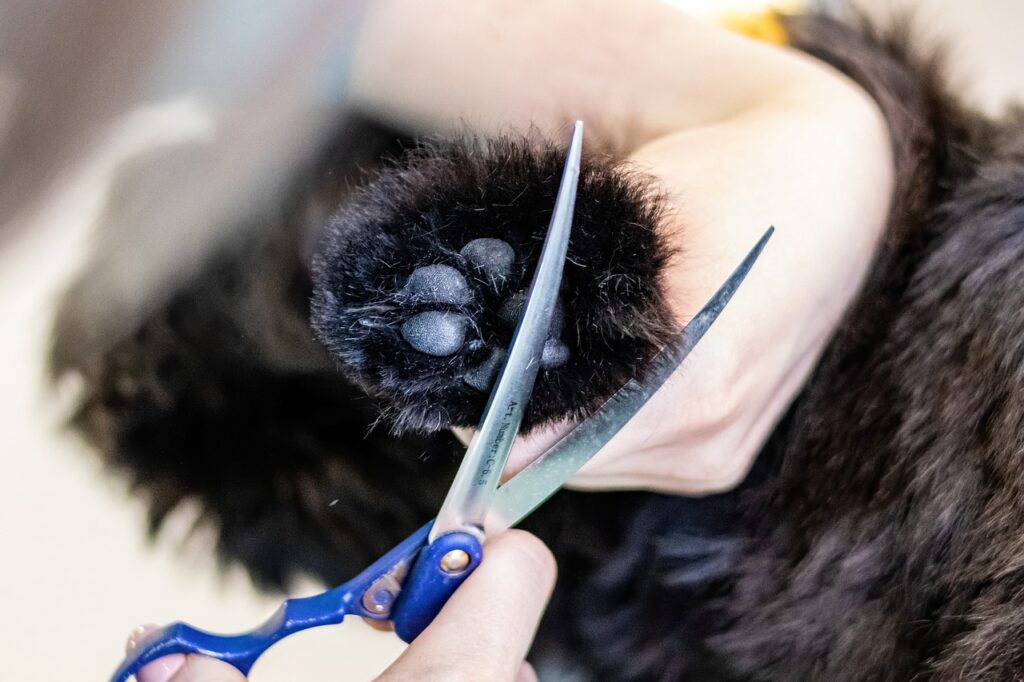
Now that we’ve discussed the importance of regular grooming for pets, let’s move on to some tips for keeping your furry friend looking and feeling their best. First and foremost, it’s important to establish a grooming routine that works for both you and your pet. Depending on the type of pet you have, you may need to brush their coat daily, trim their nails weekly, or bathe them monthly. By setting aside time for grooming on a regular basis, you can ensure that your pet stays clean and healthy.
When grooming your pet, be sure to use the right tools and products for their specific needs. For example, dogs with long coats may require a slicker brush to remove tangles, while cats may benefit from a shedding comb to reduce hairballs. It’s also important to use pet-safe shampoos and conditioners that are formulated for your pet’s skin type and coat length. By using the right tools and products, you can help to prevent skin irritation and other grooming-related issues.
In conclusion, regular grooming is essential for maintaining a pet’s coat and skin, as well as promoting their overall health and well-being. By establishing a grooming routine, using the right tools and products, and monitoring your pet’s health during grooming sessions, you can keep your furry friend looking and feeling their best. So, grab your brush and get ready to pamper your pet – they’ll thank you for it!
Best Practices for Brushing and Bathing Your Pet
Pet grooming is an essential part of keeping your furry friend healthy and happy. Regular brushing and bathing can help maintain a shiny coat and healthy skin, while also preventing matting and skin infections. In this article, we will discuss some best practices for brushing and bathing your pet to ensure they look and feel their best.
When it comes to brushing your pet, the type of brush you use will depend on their coat type. For short-haired breeds, a bristle brush or rubber curry brush works well to remove loose hair and dirt. For long-haired breeds, a slicker brush or comb can help detangle mats and prevent matting. It’s important to brush your pet regularly to prevent matting and keep their coat looking shiny and healthy.
Start by gently brushing your pet’s coat in the direction of hair growth, being careful not to pull on any tangles or mats. If you encounter a stubborn mat, try using a detangling spray or conditioner to help loosen it before gently combing it out. Be sure to pay special attention to areas where mats are most likely to form, such as behind the ears, under the legs, and around the tail.
In addition to regular brushing, bathing your pet is also important for maintaining a healthy coat and skin. The frequency of baths will depend on your pet’s breed and lifestyle, but most pets will benefit from a bath every 4-6 weeks. Use a gentle pet shampoo that is specifically formulated for your pet’s coat type to avoid stripping their skin of natural oils.
Before bathing your pet, be sure to brush out any tangles or mats to prevent them from becoming worse during the bath. Use lukewarm water to wet your pet’s coat thoroughly, being careful to avoid getting water in their ears or eyes. Apply a small amount of shampoo and lather it into your pet’s coat, paying special attention to areas that are prone to getting dirty, such as the paws and belly.
Rinse your pet thoroughly to remove all traces of shampoo, as leftover residue can cause skin irritation. Towel dry your pet and allow them to air dry or use a blow dryer on a low setting to speed up the process. Be sure to brush your pet’s coat again after they are dry to prevent matting and keep their coat looking smooth and shiny.
In conclusion, regular brushing and bathing are essential for maintaining a healthy coat and skin for your pet. By following these best practices, you can help prevent matting, skin infections, and other grooming issues that can affect your pet’s overall health and well-being. Remember to use the right tools and products for your pet’s coat type, and always be gentle and patient when grooming them. Your pet will thank you for it with a shiny coat and happy demeanor.
Natural Remedies for Common Skin and Coat Issues in Pets
As pet owners, we all want our furry friends to have healthy skin and a shiny coat. However, sometimes our pets can develop skin and coat issues that can be frustrating to deal with. The good news is that there are natural remedies that can help alleviate these common problems.
One of the most common skin issues in pets is dry, itchy skin. This can be caused by a variety of factors, including allergies, parasites, or even just dry weather. To help soothe your pet’s dry skin, you can try adding a teaspoon of coconut oil to their food. Coconut oil is a natural moisturizer that can help hydrate your pet’s skin from the inside out.
Another common issue that pets face is dandruff. Just like humans, pets can develop flaky skin that can be unsightly and uncomfortable. To help combat dandruff, you can try adding a tablespoon of apple cider vinegar to your pet’s water bowl. Apple cider vinegar has anti-inflammatory properties that can help reduce flakiness and irritation.
If your pet is prone to hot spots, which are red, inflamed areas on the skin, you can try applying aloe vera gel directly to the affected area. Aloe vera has cooling properties that can help soothe the skin and promote healing. Just be sure to monitor your pet to make sure they don’t lick off the gel, as ingesting aloe vera can be toxic to pets.
For pets with oily skin, you can try using a natural oatmeal shampoo to help balance their skin’s oil production. Oatmeal is a gentle exfoliant that can help remove excess oil and debris from your pet’s skin, leaving their coat looking shiny and healthy.
If your pet is prone to shedding, you can try adding a teaspoon of flaxseed oil to their food. Flaxseed oil is rich in omega-3 fatty acids, which can help promote a healthy coat and reduce shedding. You can also try brushing your pet regularly to help remove loose fur and prevent matting.
In addition to these natural remedies, it’s important to make sure that your pet is getting a balanced diet and plenty of exercise. A healthy diet can help support your pet’s skin and coat health from the inside out, while regular exercise can help improve circulation and promote a healthy coat.
By incorporating these natural remedies into your pet grooming routine, you can help alleviate common skin and coat issues and keep your furry friend looking and feeling their best. Remember to always consult with your veterinarian before trying any new remedies, especially if your pet has underlying health conditions. With a little extra care and attention, you can help your pet achieve a healthy coat and skin that will make them the envy of the neighborhood.